Around 2013, every startup website looked the same. Fixed navbar, big hero, three feature columns with icons, "Sign up free." You could date a site to the framework it was built on, and "Bootstrap site" quietly became an insult. Not because Bootstrap was bad — it was a helpful tool for developers to easily attain consistent designs without having to think too hard about it — but because it made the default so easy that thousands of people stopped making choices. The framework wasn't the tell. The acceptance was.
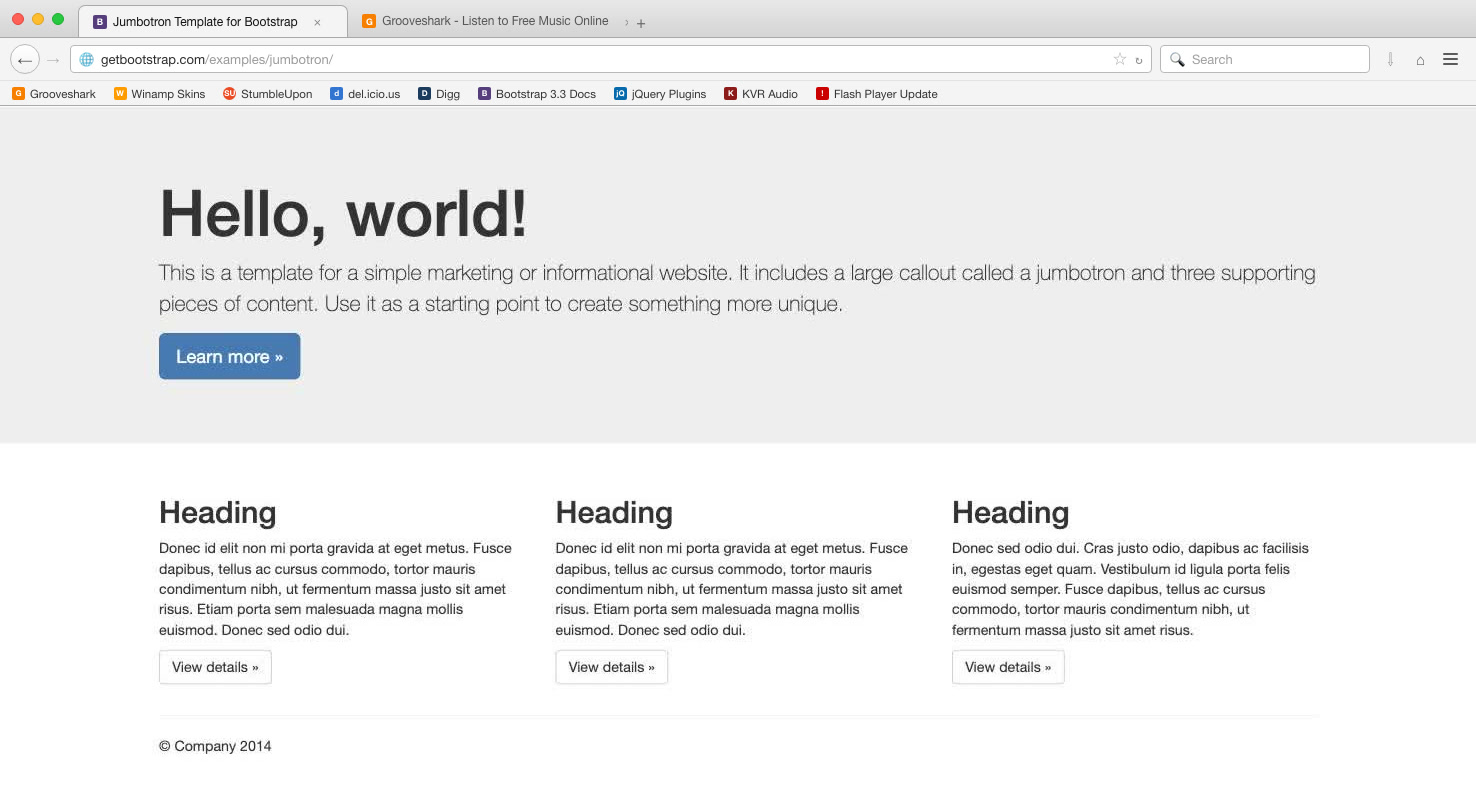
It's happening again, and this time it's faster. It's churning out a new crop of desktop, iPhone and tablet apps that amounts to the same.
I build software with AI every day. I've spent over thirty years as an engineer and I'm not going back to typing every line by hand, for the same reason I don't cut tape with a razor blade to edit audio. But working this way has taught me something the think-pieces miss: these tools all draw from the same well. Ask any of them for a landing page and you get the dark hero with the gradient accent. Ask for a dashboard and you get the card grid. Ask for an activity view and you get a GitHub-style contribution heatmap — in products that have nothing to do with commits.
I know because I've been pitched all of it, repeatedly.
While designing the live-performance mode in my app, the model proposed essentially the same generative-music interface half a dozen times. Six variations of one idea, confidently re-offered every time I came back to the problem. I said no six times — not because it was ugly, but because it was the statistically likely interface, not the right one for how a producer actually plays samples. Months later I opened another product in my space and there it was: the interface I'd been refusing, accepted wholesale. Nobody copied anybody. Two people asked the same question, and one of them took the first answer.
It got me too. An early draft of my own marketing site came out looking almost identical to one of the biggest sample-vendor sites on the internet. Same structure, same rhythm, same vibe. No copying — just two prompts landing on the same local maximum. I threw it out and started over, and the only reason I caught it at all is that I'd spent years staring at that vendor's site as a customer.
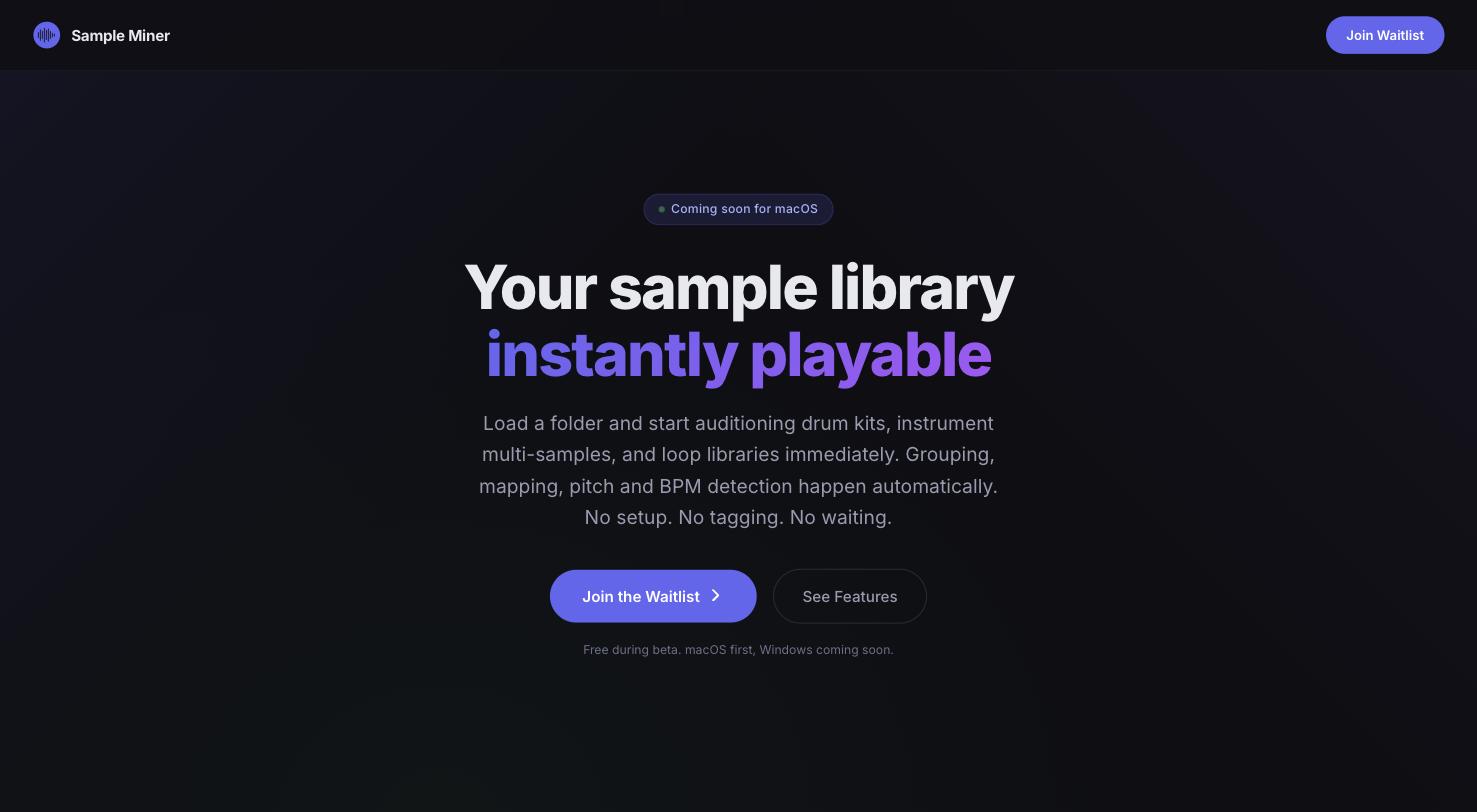
Producers already have a word for this. Presets.
Every producer can hear a stock preset in someone else's track. Nobody thinks stock plugins are immoral — the objection was never to the tool. The objection is to hearing the same supersaw for the tenth time this week and knowing no one made a choice. That's exactly what's underneath the "vibe-coded" insult that's all over music-production forums right now. It reads like an anti-AI position. It isn't. It's the same verdict as "Bootstrap site" and "preset track": no one made choices here.
That distinction matters, because the discourse keeps collapsing it. Using AI to build isn't the failure. Accepting what it hands you is. The model has read more interfaces than any designer alive, but it has never once had to slap a giant starburst on a homepage to satisfy a client and pay the bills. More importantly, it lacks, ahem... taste. That's the word. I don't like it. But what is it? It's just preference by another name: hard-earned over an individual lifetime of choices. On the other side is AI — presenting you the aggregate of everything humanity decided was worthy of publishing on the internet. Taste is the record of what you refused — every interesting instrument, every recognizable mix, every site you remember is mostly a pile of rejections that never made it to the screen.
So when I see a wave of new apps that all look like the same app — same hero, same heatmap, same glowing generative blobs — I don't conclude that AI ruined software. I conclude that a lot of people are one "no" away from having a product of their own, and they haven't said it yet.
Use the tools. Say no to the defaults. That part was always the job, and it still is.
Discover hidden gems in your sample folder
Sample Miner turns the sample folders you already own into playable drum kits and instruments — entirely on your machine.